
RRummy RRummy Table Games Download – Formats, Rules and Features artwork with gold coins on royal indigo

RRummy Table Games – Download and Understand Every Format

Do you enjoy card games that combine strategy, quick decision-making, and friendly competition? RRummy Table Games may interest you if you prefer thoughtful rounds. First, understand the formats, rules, and conditions before getting started.

By RRummy Editorial Team

Choosing a table game should feel exciting, not confusing or rushed. You deserve clear information about gameplay, scoring, entry limits, and account safety. Check the available details before downloading anything or committing money.

Guide

What Makes Table Games Different From Other Formats?

Table games bring you into structured rounds with defined rules and objectives. Depending on the format, you may arrange cards, form combinations, or compete against other participants. Each game has its own scoring system.

Before selecting a table, check how turns work and how winners are decided. RRummy Table Games should be assessed through clear rules, not promotional claims. Understand the entry conditions before joining any session.

1. Understand the Basic Table Setup

A table usually brings together participants for a particular game or round. The interface may display cards, scores, turns, and other relevant details. Check the layout before making your first move.

Some formats support different table sizes or entry conditions. Availability depends on the actual platform and game. Read the instructions so you know what to expect before joining.


2. Learn the Objective of Each Game

Every table game has a defined objective that shapes your decisions. In rummy formats, you generally arrange cards into valid sequences and sets. Other card games may follow entirely different objectives.

Never assume that one game's rules apply to another. Check the winning conditions before the first round begins. Understanding the objective helps you make informed decisions throughout play.

3. Check How Turns and Moves Work

Turn-based games usually require you to act within a specific sequence. You may need to draw, discard, arrange, or declare cards. Exact actions depend on the selected format.

Check whether the game displays a timer or turn indicator. Avoid rushing because you have not understood the controls. A clear understanding of turn order makes participation less confusing.

4. Understand Table Entry Conditions

Some tables may have entry requirements, minimum stakes, or eligibility conditions. These details should appear before you join a session. Review every amount and rule carefully.

Do not select a table simply because its entry amount looks attractive. Check the complete conditions and your own spending limit. If anything remains unclear, avoid committing money.

5. Know How a Round Ends

A round may end when a participant meets the stated objective. In rummy, a valid declaration can determine the outcome. Other formats may use different finishing conditions.

Check how the game handles ties, invalid moves, and incomplete rounds. These rules can affect the final result. Never assume the ending process is identical across all tables.

Detail

Which Table Game Formats Can You Come Across?

Table game formats can differ in rules, card arrangements, and round length. Some focus on forming combinations, while others involve different card objectives. Check the actual catalogue before choosing a session.

If you are considering RRummy Table Games, compare each format carefully. Look at its rules, entry conditions, and scoring method. A familiar name does not guarantee identical gameplay across platforms.

1. Points Rummy

Points Rummy is generally played in individual rounds with a points-based scoring system. Participants aim to form valid combinations and make a correct declaration. The specific rules determine how points are calculated.

Check the value assigned to ungrouped cards and the applicable scoring conditions. Entry amounts and settlement rules may vary. Read the table information before joining a real-money session.

2. Pool Rummy

Pool Rummy usually involves participants playing across multiple rounds. The objective is to keep your accumulated points within the stated limit. A participant may be eliminated once they reach that limit.

Common formats include 101 and 201 pool variations. Their limits and round conditions differ. Check the exact rules before selecting a table or paying an entry amount.

3. Deals Rummy

Deals Rummy generally runs for a fixed number of deals. Participants compete across those deals, and scores determine the final standing. The platform's rules explain how each deal contributes to the result.

Check how many deals are included before joining. Also review the scoring method and any tie conditions. A fixed deal count does not guarantee a particular result.

4. Practice or Free Tables

Some platforms may provide practice tables or free-play formats. These can help you understand controls without risking real money. Availability and the use of virtual points depend on the service.

Check whether the practice mode uses simulated credits. Do not assume virtual balances can be withdrawn. Read the mode description before selecting a table.

5. Private or Invite-Based Tables

Some services may support private tables or invitation-based sessions. These formats can allow participation with selected contacts. Their availability depends on the platform's actual features.

Check whether invitations require an account or access code. Never share private account details to join a session. Confirm the rules and entry conditions before accepting an invitation.

Editorial banner illustrating How Do Rummy Table Rules and Card Combinations Work? at RRummy
Checks

How Do Rummy Table Rules and Card Combinations Work?

Rummy depends on arranging cards into valid sequences and sets. You need to understand the required combinations before declaring. The exact rules can vary according to the selected rummy format.

When choosing RRummy Table Games, pay close attention to card requirements. Check the number of sequences, valid sets, and declaration conditions. A small misunderstanding can affect your entire round.

1. Understand Pure Sequences

A pure sequence generally contains consecutive cards of the same suit. It does not use a joker as a substitute. Many rummy formats require at least one pure sequence to be valid.

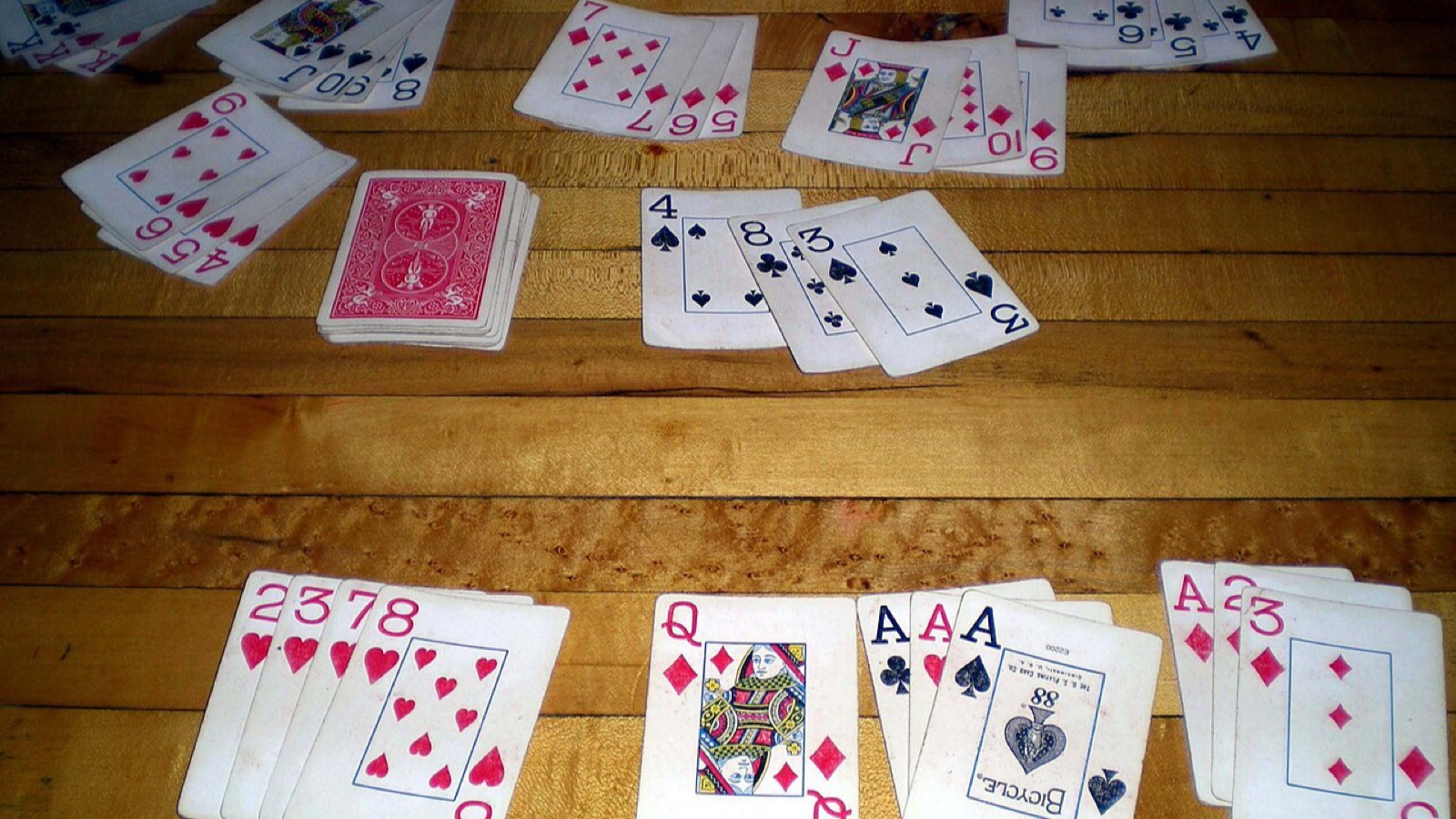
For example, 4, 5, and 6 of hearts form a sequence. Check the game's minimum card requirements and rules. Never assume a combination is valid without checking its suit and order.

2. Learn About Impure Sequences

An impure sequence may use a joker to replace a missing card. This can help complete a valid consecutive arrangement. However, the exact substitution rules depend on the format.

Check which cards can act as jokers during a round. Some games may include printed jokers and designated wild cards. Read the instructions before arranging your cards.

3. Recognise Valid Sets

A set generally contains cards of the same rank from different suits. For example, three queens from different suits may form a valid set. Check the game's rules for permitted combinations.

A set should not be confused with a sequence. Both have different requirements and purposes. Arrange your cards carefully before making a declaration.

4. Understand Printed and Wild Jokers

A printed joker is a designated card that can substitute in accordance with applicable rules. A wild joker is usually selected through the game's defined process. Both can help complete certain combinations.

Check whether the game uses a randomly selected wild card. Understand any restrictions on joker use. A joker cannot automatically make every card arrangement valid.

5. Check Declaration Requirements

A declaration is a claim that your card arrangement meets the game's winning conditions. Before declaring, verify every sequence and set. An invalid declaration may lead to a penalty.

Check the required pure sequence and remaining combination rules. Do not rush because the round appears close to ending. Review your cards before confirming the declaration.

Overview

How Can You Improve Your Table Game Decisions?

Good decisions begin with understanding the cards and available moves. You should also consider the discard pile and the game's current state. No strategy can guarantee a winning result.

RRummy Table Games can involve planning, observation, and careful card selection. However, each round remains uncertain. Focus on understanding the rules rather than trusting claims about guaranteed winning tricks.

1. Organise Your Cards Early

Arrange your cards into possible sequences and sets as soon as practical. This makes useful combinations easier to recognise. Keep ungrouped cards visible so you can review them.

Do not commit to one arrangement too quickly. New cards may create better combinations. Review your hand after every draw and discard.

2. Pay Attention to the Discard Pile

The discard pile can show which cards other participants have released. Observing it may help you avoid collecting unsuitable cards. It can also provide clues about possible combinations.

Remember that visible discards reveal only limited information. You cannot know another participant's complete hand. Make decisions based on the available information, not on assumptions.

3. Avoid Holding Unnecessary High-Value Cards

Unmatched high-value cards can increase your points in certain rummy formats. Consider whether they are helping you form a valid combination. The right decision depends on your hand and current rules.

Do not discard useful cards without considering their possible role. Review your combinations before every move. Understand the scoring system to assess the risk.

4. Review Your Hand Before Declaring

Check every group before submitting a declaration. Confirm that the required sequences and sets are valid. A quick review can help prevent avoidable mistakes.

Do not rely only on the visual arrangement of cards. Verify suits, ranks, and joker conditions. If a combination does not meet the rules, correct it before declaring.

5. Learn Without Chasing Wins

Practice can help you become familiar with controls and combinations. It cannot guarantee future results or remove uncertainty. Use free formats where available to understand the game.

Never increase your stakes after losing a round. Avoid treating a previous loss as something you must recover. Stop when you reach your personal spending or time limit.

Editorial banner illustrating What Should You Check Before Joining a Table? at RRummy
Essentials

What Should You Check Before Joining a Table?

Joining a table should involve more than selecting a displayed entry amount. Check the format, participant count, rules, and session conditions first. Make sure you understand what happens after joining.

Before accessing RRummy Table Games, verify that the service is legitimate and lawful in your location. Read its terms and privacy policy. Avoid tables with unclear costs or misleading descriptions.

1. Check the Table's Entry Amount

The entry amount may determine the cost of joining a particular session. Check whether additional charges or conditions apply. Never select a table beyond your entertainment budget.

A low entry amount does not mean repeated participation is risk-free. Multiple rounds can increase your total spending. Decide your limit before joining.

2. Review the Number of Participants

Table size can affect the pace and structure of a round. Check how many participants are allowed. The rules should explain how turns and outcomes work.

Do not assume a larger table offers better chances. The actual effect depends on the game's mechanics. Choose a format you understand and feel comfortable playing.

3. Check Session Duration

Some tables may finish quickly, while others involve several rounds. Check the expected structure and any displayed timer. Avoid joining when you cannot give the session proper attention.

Set a personal time limit before starting. Do not extend your session simply because a round remains unfinished. Your schedule and wellbeing should come first.

4. Understand Table Restrictions

Some sessions may have eligibility or account requirements. These can include verification, location, or specific participation conditions. Read the complete terms before entering.

Do not attempt to bypass restrictions through another person's account. Follow the platform's rules and applicable laws. If eligibility is unclear, do not join.

5. Check What Happens After a Disconnection

A connection problem may interrupt your participation. Check whether the service explains reconnection, missed turns, and round settlement. These conditions should be clear before joining.

Do not assume a disconnected session automatically refunds an entry amount. Keep relevant records and contact verified support. Avoid repeated payments while the original transaction remains unresolved.

Close read

How Can You Understand Table Scores and Point Calculations?

Scoring rules determine how a table game evaluates each round. In rummy, card values and valid combinations can affect your final points. Check the selected format because scoring conditions may differ.

A clear understanding of points helps you make informed decisions. RRummy Table Games should display relevant scoring rules before participation. Review the examples and conditions instead of relying on assumptions.

1. Understand Number Card Values

Number cards generally carry their printed values in common rummy scoring systems. Their exact treatment depends on the selected format. Check the official scoring rules before starting.

Do not assume every card game uses the same values. Some formats may have entirely different calculations. Review the displayed rules for the table you choose.

2. Learn Face Card Values

In many rummy formats, kings, queens, and jacks carry ten points each. Aces may have a different value depending on the rules. Confirm the applicable scoring system before playing.

Face card values can matter when cards remain unmatched. Understand how the game calculates penalties. This helps you assess your hand more carefully.

3. Check the Role of Jokers in Scoring

Jokers may carry special scoring treatment in rummy. Their use in valid combinations can affect the final calculation. Check whether the game applies any separate conditions.

Do not assume a joker always has zero points in every situation. The rules determine how it is counted. Read the scoring explanation before making a declaration.

4. Understand Penalties for Invalid Declarations

An invalid declaration may result in a penalty under the game's rules. The amount and calculation can differ between formats. Check the conditions before confirming your cards.

Never declare simply to finish a round quickly. Verify every combination first. A careful review can help you avoid an unnecessary penalty.

5. Check Maximum Point Limits

Some rummy formats apply a maximum point limit to a losing hand. The limit may depend on the game type. Review the displayed rules before joining.

Do not confuse a points cap with a guaranteed result. It only explains how a particular scoring condition works. The actual outcome still depends on the round.

Practical

What Device and App Features Should You Review?

A smooth table experience depends on a compatible device and reliable connection. Check operating system requirements, screen layout, and app permissions. Avoid downloading files from unverified sources.

If RRummy Table Games are available through an app, verify the publisher first. Check whether your device meets the stated requirements. Never disable security protections just to install an unfamiliar file.

1. Check Android Compatibility

Review the app's supported Android versions before installing. Older devices may not support current releases. Check the publisher's requirements and available updates.

Use a verified download source only. Avoid modified application packages shared through messaging groups. Protect your device even when an offer appears attractive.

2. Check iOS Availability

Confirm whether the service provides a legitimate iOS application. Availability may differ by region and publisher. Check the official listing and compatibility information.

Avoid installation instructions that ask you to bypass device protections. Verify the publisher and app details before proceeding. If no trustworthy source exists, do not install the file.

3. Review Browser-Based Access

Some services may offer browser access instead of an app. Check whether the official website supports your device and browser. Use the correct verified address when signing in.

Avoid links sent by unknown contacts. Check the website address before entering credentials. Close the session when using a shared device.

4. Keep Your Device Updated

Operating system updates can address security and compatibility issues. Install updates through the device's official settings. Restart your device if an update requires it.

Do not download unofficial update files. Keep your browser and security features up to date. These simple steps can help reduce avoidable risks associated with devices.

5. Check Connection Stability

Table games may require a stable connection to complete turns. Weak networks can interrupt actions or delay updates. Use a reliable connection before joining a session.

Avoid making payments during unstable connectivity. Check your transaction status before retrying. If a game freezes, record the error and use verified support.

Background

What Payment and Withdrawal Conditions Should You Understand?

Payment rules should be clear before you add or withdraw money. Check supported methods, transaction limits, fees, and verification requirements. Do not rely on assumptions or informal promises.

For RRummy Table Games involving real money, verify every financial condition first. Use only official payment instructions and your own verified account. Never share your PIN, password, or OTP with anyone.

1. Verify Available Payment Methods

Payment options depend on the provider and your location. Check the official list before making a transaction. Never assume a familiar payment method is supported.

Confirm the recipient details before approving any transfer. Avoid payments to personal accounts suggested by unknown agents. Stop if the instructions cannot be verified.

2. Review Deposit Limits and Fees

Some services may set minimum deposits or transaction limits. Payment providers may also apply their own charges. Check the complete amount before confirming.

Do not deposit simply to unlock a promotional offer. Only spend money you can afford to lose. Avoid borrowing or using essential funds for gaming.

3. Understand Withdrawal Requirements

Withdrawals may require account verification or other eligibility checks. Minimum amounts and processing conditions can vary. Read the provider's current terms before depositing.

Promotional credits may have separate restrictions. A displayed balance does not always mean immediate eligibility for withdrawal. Check the difference between withdrawable funds and bonus balances.

4. Keep Transaction References

Securely save payment confirmations and transaction references. These details can help when reporting a genuine issue. Never publish screenshots containing private financial information.

If a transaction appears unfamiliar, contact your bank or payment provider. Use verified support channels for platform-related questions. Do not pay unknown agents to release funds.

5. Protect Your Banking Information

Your PIN, OTP, and banking password must remain private. Enter them only into a verified payment interface. No genuine support agent needs you to disclose these details.

Ignore requests to install remote access applications for payment help. Such tools can expose sensitive information. Stop communication if someone pressures you to share credentials.

What to verify

How Can You Protect Your Account While Playing?

Account safety requires attention before, during, and after a session. Use strong passwords and check every message carefully. Do not assume that a familiar name or logo proves authenticity.

When accessing RRummy Table Games, keep personal and financial details private. Avoid shared devices for sensitive transactions. Report suspicious activity through verified channels as soon as possible.

1. Create a Unique Password

Choose a password that is difficult for others to guess. Avoid common words, birthdays, or repeated number patterns. Never reuse a password from another account.

Change it if you suspect unauthorised access. Do not share it with friends or supposed support agents. Keep login information secure on every device.

2. Protect Verification Codes

An OTP is meant for a specific verification action. Enter it only into the legitimate screen you opened. Never read it aloud or send it to another person.

Scammers may create a sense of urgency to make you act quickly. Pause and verify the request independently. Never disclose your PIN or password to resolve an account issue.

3. Avoid Fake Support Accounts

Fraudulent accounts may imitate official service representatives. They might request payments, credentials, or remote access. Verify contact details through a trusted official source.

Do not trust an account solely because it displays a company logo. Avoid sending identity documents through informal chats. Stop responding when a request feels suspicious.

4. Review Account Activity

Check login alerts and transaction records regularly. Report activity you do not recognise. Change your password from a secure device if you suspect a breach.

Sign out after using a shared device. Avoid saving credentials on public computers. Keep your phone protected with a screen lock.

5. Read Privacy and Data Policies

A privacy policy should explain how personal information is collected and used. Check whether the provider describes data storage and sharing. Avoid services with unclear privacy practices.

Submit only information required through a verified process. Do not send documents to unknown contacts. If data handling remains unclear, reconsider using the service.

Before you act

How Can You Fix Common Table Game Problems?

Technical issues can interrupt a round or prevent access to accounts. Start with your connection, device compatibility, and app status. Avoid repeating payments or game actions while an earlier request remains unresolved.

If RRummy Table Games stop responding, record the error and time. Check the official service information before taking any further action. Use verified support instead of unofficial repair files.

1. Resolve Login Problems

Check your username and password carefully. Confirm that the service is accessible and your connection works. Use the official recovery process if you cannot sign in.

Never share an OTP with someone offering login assistance. Avoid repeated attempts if the account becomes temporarily restricted. Contact verified support when necessary.

2. Fix Loading and Connection Issues

A weak network may prevent a table from loading correctly. Switch to a reliable connection and retry when safe. Check whether your device meets the app requirements.

Avoid joining another paid session while the first remains unresolved. Record any error message. Check the official status information, if available.

3. Handle Frozen or Unresponsive Tables

Wait briefly before taking another action. Repeated taps may create confusion about whether a move was submitted. Check the game record when the interface responds again.

If the issue continues, close and reopen the verified app. Do not assume a frozen screen automatically cancels an entry. Contact official support with relevant details.

4. Check Missing or Incorrect Scores

Review the round history and scoring rules first. Check whether the game has completed its calculation. Keep screenshots without exposing sensitive information.

If the score still appears incorrect, contact verified support. Provide the table details and round reference. Do not pay anyone who claims they can alter results.

5. Report Unresolved Payment Issues

Keep the payment reference, date, and amount available. Check your bank or payment provider's transaction status. Contact the verified platform channel if the issue concerns its account.

Never make a second payment just because the first screen froze. Confirm the original transaction status before retrying. Avoid advance-fee requests from unknown contacts.

Worth knowing

How Should You Evaluate Bonuses and Table Promotions?

Promotional offers may include credits, entry benefits, or other conditions. Their actual value depends on eligibility and restrictions. Read the complete terms before accepting or making a deposit.

A large promotional number does not guarantee a financial benefit. Check expiry dates, qualifying activity, and withdrawal conditions. Decline offers that hide important requirements or promise certain wins.

1. Check Who Can Claim an Offer

Promotions may apply only to selected accounts or qualifying activities. Read the eligibility conditions before accepting. Do not assume every participant receives the same offer.

Check whether registration or verification is required. Avoid creating duplicate accounts to claim additional benefits. Follow the provider's stated rules.

2. Understand Bonus Usage Rules

Some promotional credits may be limited to particular tables. Others may have separate playthrough or withdrawal conditions. Check the terms before using them.

Do not assume bonus credits are equivalent to cash. Understand how the account displays each balance. Ask for clarification before making a deposit based on an offer.

3. Check Expiry and Validity

Promotional benefits may expire after a stated period. Check the exact dates and qualifying requirements. Do not rush into spending because an offer appears temporary.

If the expiry information is missing, avoid relying on the promotion. Verify current terms through an official source. Never accept pressure from an unknown agent.

4. Avoid Guaranteed Winning Claims

No promotion can guarantee a particular card combination or result. Be cautious of anyone selling winning tricks or fixed outcomes. Such claims can be misleading.

Never pay someone to unlock a promised winning table. Verify every offer independently. If the claim sounds too good to be true, walk away.

5. Keep Promotions Separate From Your Budget

A bonus should never increase your planned spending limit. Do not deposit more to chase an advertised reward. Your financial boundaries should remain unchanged.

Treat promotions as optional conditions, not income. Read the terms and decline anything confusing. Protecting your money matters more than claiming a temporary offer.

Player notes

How Can You Keep Table Gaming Responsible and Balanced?

Card games can be entertaining, but real-money participation carries financial risk. Decide your limits before joining any session. Never treat a game as a dependable source of income.

Keep RRummy Table Games separate from essential spending and personal responsibilities. Stop if the activity creates stress or financial pressure. Your wellbeing should always take priority over another round.

1. Decide Your Budget in Advance

Choose an amount you can afford to lose without affecting essential expenses. Treat it as entertainment spending, not an investment. Stop once your limit is reached.

Never use borrowed money or emergency savings. Do not increase your budget after a loss. If you cannot comfortably afford the risk, avoid real-money play.

2. Set a Time Limit

Decide how long you intend to participate. Take breaks between sessions and avoid playing when tired. Stop when your planned time ends.

Do not extend a session to recover previous losses. A longer session does not guarantee a better result. Keep gaming away from work, sleep, and family responsibilities.

3. Do Not Chase Losses

Losing a round does not make a future win more likely. Increasing your entry amount can increase your financial exposure. Accept the result and step away.

If you feel pressured to continue, pause immediately. Speak with someone you trust. Avoid making financial decisions while upset or frustrated.

4. Recognise Unhealthy Habits

Warning signs include hiding spending or repeatedly breaking limits. You may also feel anxious when unable to play. Take these signs seriously without blaming yourself.

Consider stepping away and seeking support. Professional help may be useful if gaming affects your finances or relationships. You do not have to handle the situation alone.

5. Use Time-Out or Self-Exclusion Tools

Some services may provide account limits, time-outs, or self-exclusion options. Check whether these controls are available. Understand how they work before relying on them.

If you need to stop, use suitable restrictions and seek support. Do not create another account to bypass your decision. Protecting your wellbeing is more important than continued access.

What Legal and Age Requirements Should You Check?

Online gaming rules can differ across Indian states and jurisdictions. Real-money card gaming may be subject to specific restrictions. Check current local laws before accessing any paid service.

Do not assume a platform is lawful everywhere because it accepts registrations. Verify your eligibility and the provider's legal information. If the position is unclear, avoid real-money participation.

1. Check Local State Regulations

Different states may apply different rules to online gaming. The legal position can depend on the activity and service structure. Check current official information for your location.

Do not rely only on promotional statements about legality. Availability does not prove local permission. Seek qualified legal advice if you need clarity.

2. Follow Age Restrictions

Real-money gaming services may require participants to meet a minimum age. Never register if you do not meet the applicable requirement. Do not use another person's identity.

Keep accounts and payment methods away from minors. Parents and guardians should use suitable device protections. Never present gaming as a way to earn guaranteed money.

3. Verify the Service Provider

Check the operator's identity and published business information. Look for clear terms, privacy policies, and support details. Missing information should make you cautious.

A professional-looking interface does not prove legitimacy. Verify important claims independently. Avoid sharing identity or financial information with unidentified operators.

4. Understand Tax Responsibilities

Some real-money gaming activities may have tax implications. Applicable treatment depends on current law and the nature of the activity. Check official tax information or consult a qualified professional.

Keep accurate records where required. Do not rely on informal advice from gaming groups. Never assume displayed balances are automatically tax-free.

5. Avoid Services That Bypass Restrictions

Do not use tools intended to conceal your location or bypass local rules. Such actions can create legal and account risks. Follow the provider's eligibility requirements.

If a service cannot explain its legal status, do not proceed. Protect your money and personal information first. No promotional offer is worth ignoring applicable law.

Ready to Check RRummy Table Games Before Joining?

Before downloading or joining a table, check its rules, entry conditions, and verified source. Understand the scoring system and account requirements. Make sure the service is permitted in your location.

RRummy Table Games should remain entertainment, never a financial plan. Protect your credentials, follow spending limits, and avoid guaranteed-win claims. If the risks feel uncomfortable, choosing not to participate is a sensible decision.

Quick answers

Frequently Asked Questions About RRummy Table Games

Still have questions before choosing a table or downloading an app? These answers cover common concerns about formats, rules, scoring, payments, and safety. Always verify platform-specific details through reliable official information.

RRummy Table Games may have different features and conditions across services. General descriptions do not confirm that a particular feature is available. Check the actual rules before registering or joining a paid session.

1. What Are RRummy Table Games?

The term refers to table-based card gaming associated with the RRummy name. Actual formats and availability should be confirmed through reliable official information. Do not assume every advertised service is genuine.

2. Which Rummy Formats May Be Available?

Common rummy formats include Points, Pool, and Deals Rummy. Availability depends on the actual platform and its current catalogue. Check the rules before selecting a table.

3. How Do I Choose a Suitable Table?

Compare the format, entry amount, participant count, and session rules. Choose only a table you understand. Never spend beyond your predetermined entertainment budget.

4. What Is a Pure Sequence?

A pure sequence generally contains consecutive cards from the same suit. It does not use a joker as a substitute. Check the specific format's rules for its requirements.

5. What Is the Difference Between Points and Pool Rummy?

Points Rummy commonly uses points to settle individual rounds. Pool Rummy involves accumulated points across multiple rounds. Check the platform's rules because conditions can vary.

6. What Does Deals Rummy Mean?

Deals Rummy generally involves a fixed number of deals. Participants compete across those deals, and scores determine the final standing. Check the exact session structure before joining.